

New Year, New IT Standards: Why UK Businesses Are Upgrading Their Support in 2026
The calendar has flipped to 2026, and UK businesses are making a critical decision. They're not just setting resolutions: they're completely overhauling their IT infrastructure and support standards. This isn't about keeping up with trends. It's about survival, compliance, and staying competitive in an increasingly complex digital landscape.
If you're still running the same IT setup from 2023 or 2024, you're already behind. The question isn't whether you need to upgrade your IT support: it's how quickly you can make it happen.
The Perfect Storm Driving IT Upgrades
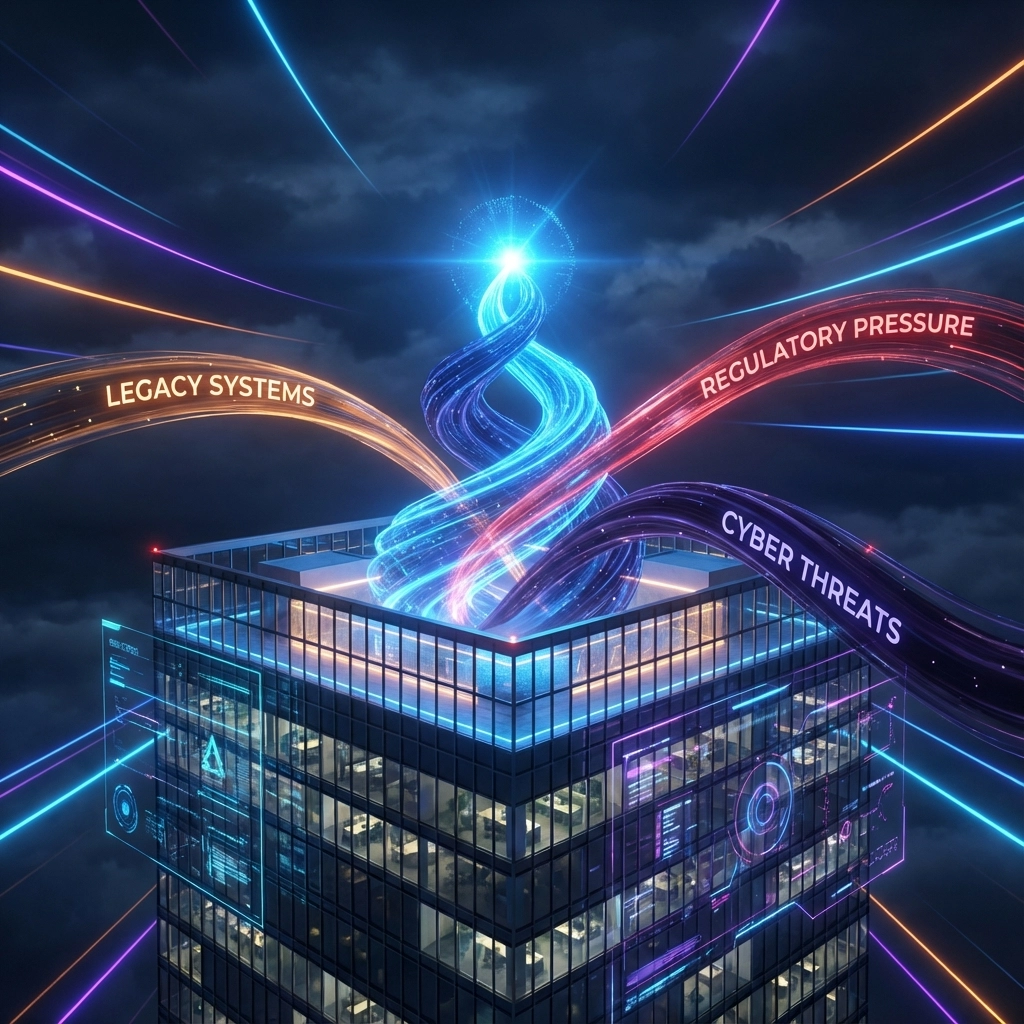
Three major forces are converging to create an unprecedented demand for upgraded IT support across the UK. Legacy system deadlines, tightened regulations, and evolving cyber threats are forcing businesses to act now rather than later.
You can't manage what you don't measure, and most businesses are discovering their current IT standards simply aren't equipped for 2026's challenges. The cost of doing nothing has become higher than the cost of upgrading.
Regulatory Pressure is Real and Immediate
The UK government introduced the Cyber Security and Resilience (Network and Information Systems) Bill in November 2025, fundamentally changing how businesses must approach IT security. This isn't a gentle suggestion: it's law.
The new regulations expand sector coverage, strengthen incident reporting obligations, and give authorities enhanced enforcement powers. Your board must now demonstrate clear understanding of technology dependencies and maintain credible recovery options.
Meanwhile, the EU's Digital Operational Resilience Act (DORA) is creating ripple effects across UK businesses that work with European partners or subsidiaries. Nineteen critical ICT third-party providers now face direct oversight requirements for resilience testing and incident reporting.
What does this mean for you? Documentation, compliance frameworks, and incident response procedures are no longer optional extras. They're baseline requirements that auditors and insurers will expect to see.
Legacy System Deadlines You Can't Ignore
Windows Server 2016 reaches end of support in January 2027. If you're still running systems on this platform, you have twelve months to migrate or face serious security vulnerabilities and compliance issues.
This deadline is driving a massive wave of cloud migration projects across UK manufacturing and service sectors. Businesses are retiring ageing on-premises infrastructure and moving to cloud-based solutions to reduce risk and improve security.
The challenge isn't just technical: it's strategic. Your legacy systems likely support critical business processes, and migrating them requires careful planning, testing, and coordination with production schedules.

Cybersecurity Has Evolved Beyond Recognition
Zero-trust security principles have moved from "nice to have" to "must have" status. Identity Threat Detection and Response (ITDR) is now foundational even for smaller organisations, as attackers increasingly exploit weak identity controls rather than breaking through perimeter defences.
Traditional cybersecurity approaches assumed threats came from outside the network. Today's reality is different. Threats come from compromised user accounts, infected devices, and supply chain vulnerabilities. Your security model must assume breach and focus on detection, containment, and response.
Multi-factor authentication, continuous monitoring, and documented incident response plans aren't just best practices: they're requirements that insurers increasingly demand as conditions of coverage.
The AI Revolution Requires Proper Infrastructure
While AI tools proliferate across every industry, most UK businesses remain unprepared to use them effectively. The barrier isn't access to AI software: it's having the clean, structured data and proper infrastructure needed to implement AI responsibly.
Your organisation needs robust data governance, modern architecture, and staff training before rolling out AI solutions. Without these foundations, AI initiatives create compliance risks and productivity losses rather than competitive advantages.
This is where integrated IT and engineering support becomes crucial. Manufacturing businesses need teams that understand both traditional automation systems and modern AI workloads.
Business Continuity Standards Have Raised
Traditional backup strategies are insufficient for 2026's operating environment. You need encrypted cloud backups, offline copies, documented disaster recovery plans, and regular testing procedures.
Business continuity isn't just about recovering from disasters: it's about maintaining operations during system upgrades, handling supply chain disruptions, and managing remote work requirements. Your IT support must enable business resilience, not just fix problems after they occur.

Why 2026 is the Perfect Time for Upgrades
Three factors make 2026 the ideal year to upgrade your IT support standards:
Budget cycles align with regulatory deadlines. Most businesses are planning 2026 technology investments around compliance requirements and legacy system replacements.
Skills availability is improving. The IT support market has stabilised after several years of skills shortages, making it easier to find qualified partners and internal resources.
Technology maturity reduces risk. Cloud hosting, cybersecurity tools, and managed services have reached enterprise-grade reliability, reducing the risks associated with major IT transitions.
The Drive Network Support Advantage
We've spent over three decades building IT and engineering expertise specifically for UK businesses. Our integrated approach combines traditional IT support with CNC system knowledge and modern cybersecurity capabilities.
24/7 IT support means your critical systems receive immediate attention when issues arise, minimising downtime and protecting productivity.
Advanced cybersecurity services include threat detection, incident response, and compliance support tailored to your industry requirements.
Cloud hosting solutions provide secure, scalable infrastructure that grows with your business while meeting regulatory standards.
Integrated engineering support bridges the gap between IT systems and production equipment, ensuring your technology investments work together effectively.
Taking Action: Your IT Standards Review
The businesses thriving in 2026 aren't necessarily the ones with the biggest IT budgets: they're the ones with the most strategic approach to technology investment. They've aligned their IT support with business objectives, regulatory requirements, and growth plans.
Your first step is conducting a comprehensive review of current IT standards against 2026 requirements. This includes assessing security posture, compliance readiness, system dependencies, and support capabilities.
Don't wait for problems to force your hand. Proactive upgrades give you control over timing, budget, and implementation approach. Reactive responses leave you vulnerable to extended downtime, rushed decisions, and higher costs.
Ready to Upgrade Your IT Standards?
The businesses that act now will enter 2026 with confidence, knowing their technology infrastructure supports growth rather than limiting it. Those that wait will spend the year playing catch-up while competitors pull ahead.
Ready to see where your current IT support stands against 2026 standards? Contact our team to schedule your comprehensive IT standards review. We'll assess your current setup, identify priority upgrades, and create a roadmap that fits your timeline and budget.
Your business deserves IT support that enables success, not just prevents disasters. Let's make 2026 the year you take control of your technology future.